Spacecraft Heat Shield Tile Thermal Analysis
Project Overview
This project analysed the temperature profile across spacecraft heat shield tiles using Finite Differencing Methods (FDM). The objective was to determine optimal tile thickness, assess stability and accuracy of numerical methods, and model realistic damage scenarios. Enhancements included automated plot scanning and a graphical user interface to improve usability and data extraction.
Tools & Technologies
- Finite Difference Methods (Forward, Backward, Crank-Nicolson, Du Fort-Frankel)
- 1D and 2D Thermal Modelling
- Shooting Method for Optimal Thickness
- Graphical User Interface Development
- Automated Data Plot Scanning
- Gauss-Seidel Iteration for 2D Models
Project Details
Implemented 1D thermal models of spacecraft heat shield tiles to analyse temperature distribution across tile thickness during re-entry.
Compared Forward, Backward, Du Fort-Frankel, and Crank-Nicolson methods for stability and accuracy; Crank-Nicolson proved most accurate and stable across selected timesteps and spatial steps.
Determined optimal tile thickness of 54.7 mm using the shooting method to ensure aluminium skin temperatures remained below 180°C, balancing weight and safety.
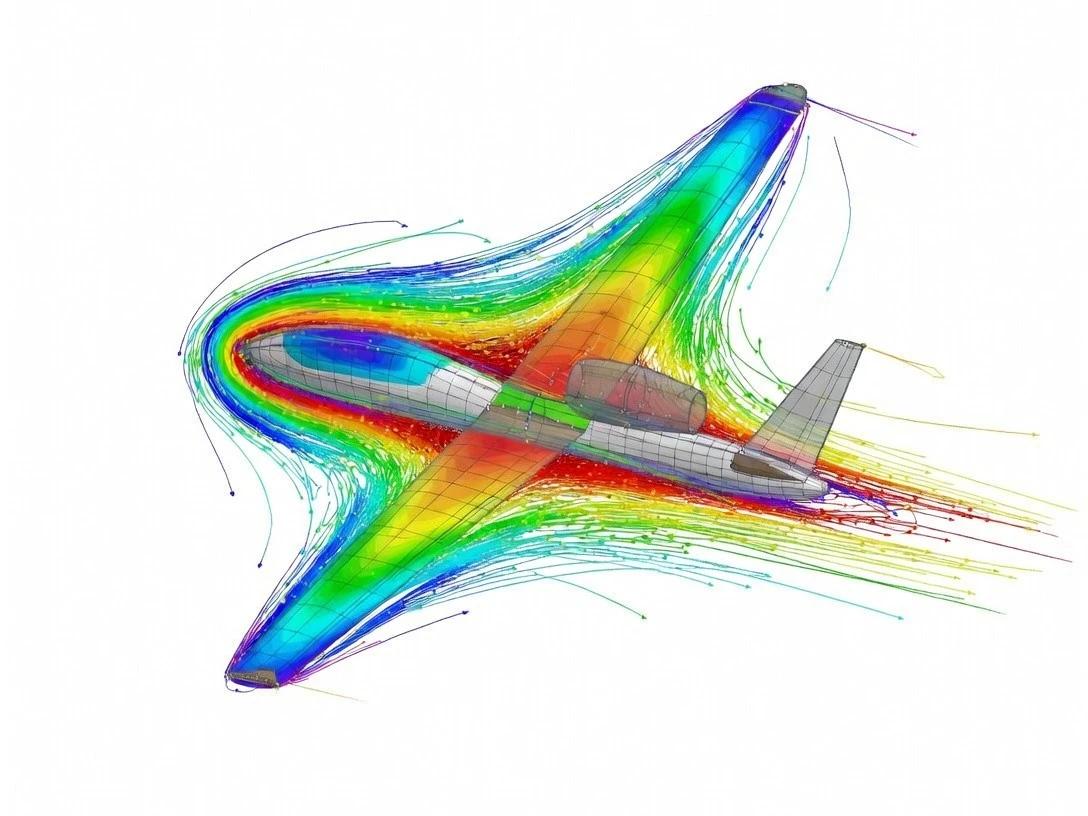
Extended modelling to 2D scenarios simulating damaged and missing tiles to evaluate heat penetration and structural risk during re-entry.
Developed a GUI for automated plot scanning of NASA thermocouple data to extract time-temperature points efficiently, reducing human error.
Key Results
- Optimal tile thickness determined as 54.7 mm to protect aluminium skin from exceeding 180°C
- Crank-Nicolson method identified as most stable and accurate, remaining within ±1% tolerance across time and spatial steps
- Time and spatial steps selected as 8 s and 0.004 m, balancing accuracy and computational efficiency
- 2D modelling of damaged and missing tiles highlighted critical hotspots, demonstrating the need for pre-flight inspection
- Graphical User Interface implemented for streamlined data collection and usability of thermal analysis code
- Automated plot scanning reduced human error when digitizing NASA STS-96 thermocouple data
- Temperature distribution analysis confirmed outer tile surface reaches up to 800°C during re-entry
Other Projects